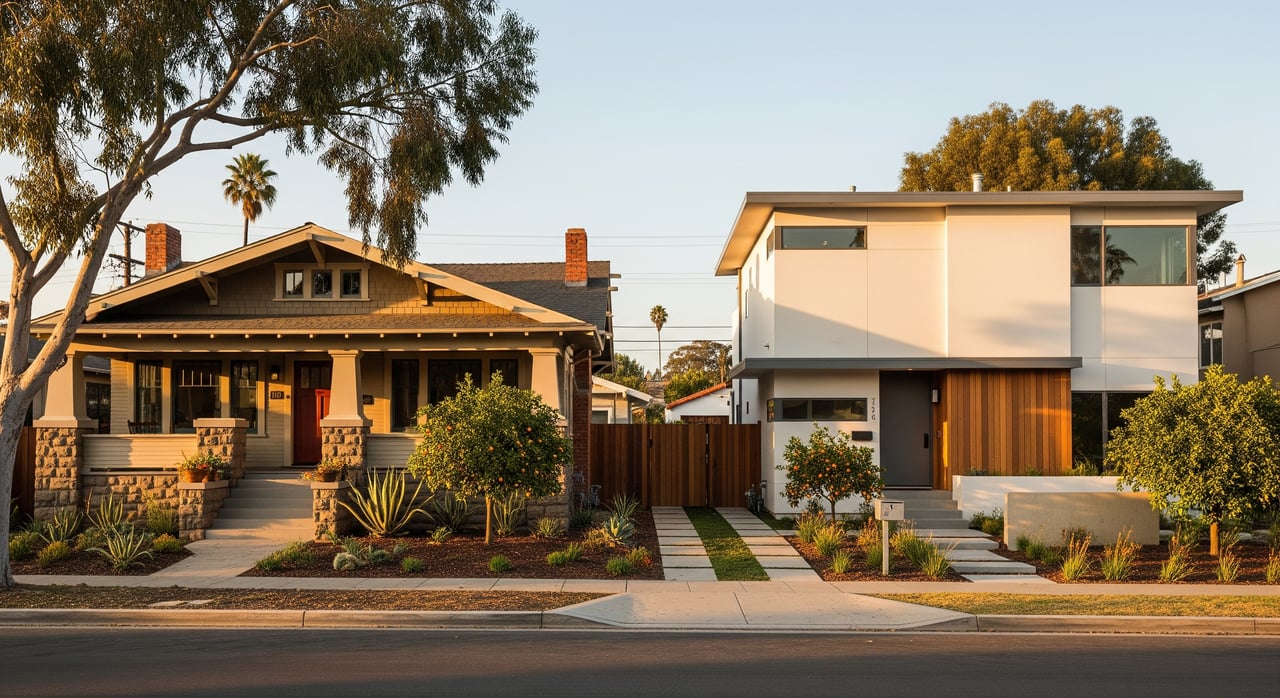
Love the character of North Park homes but not sure if a Craftsman bungalow or a mid-century ranch fits you best? You are not alone. Each style offers a distinct look, floorplan, and maintenance profile that affects how you live day to day and what you might upgrade after you buy. In this guide, you will learn how to spot key features, evaluate layouts, plan updates, and navigate permits in North Park. Let’s dive in.
North Park context: eras and where styles appear
North Park grew in waves. The early 1900s through the 1930s brought many Craftsman bungalows across the older pre–World War II core. Post-war infill from the 1940s to 1960s added ranch and mid-century homes, often on slightly larger lots and later-developed blocks.
Why that matters for you: age and era shape floorplans, building systems, and original details you may want to preserve or modernize. If you are considering exterior changes on a potential historic property, consult the San Diego Historical Resources Board and the City of San Diego Planning Department for guidance on designation, permits, and design review.
Craftsman essentials: what to look for
Craftsman bungalows in North Park were largely built in the 1910s and 1920s. They are compact, welcoming, and rich with handcrafted details.
Exterior cues
- Low-pitched gabled or hipped roofs with wide eaves and exposed rafter tails or brackets.
- A deep, street-facing porch with tapered columns or square posts on masonry piers.
- Natural materials like wood siding, shingle accents, and brick or stone piers.
- Multi-pane upper window sashes over single-pane lowers.
Interior cues
- Built-in bookcases, window seats, and substantial wood trim or beams.
- A fireplace as the living room focal point.
- Defined rooms: living, dining, and kitchen are separate in most original plans.
- Original hardwood floors and period hardware.
How Craftsman floorplans live
Expect an efficient path from the porch into the living room, then a separate dining room, with the kitchen toward the rear. Many smaller bungalows started as 2 bedrooms and 1 bathroom. Modern buyers often open sightlines between kitchen, dining, and living while preserving the fireplace and built-ins.
Mid-century essentials: what to look for
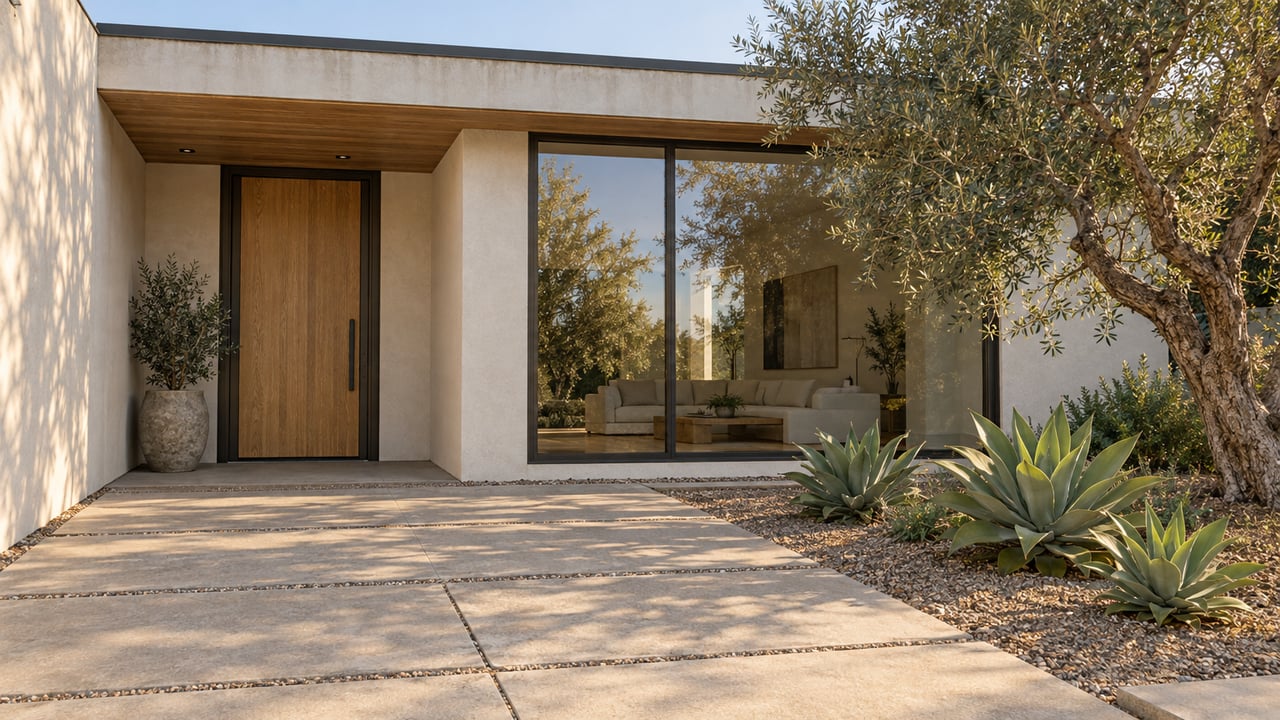
Mid-century homes in North Park reflect the 1940s to 1960s post-war era. Think simpler lines, larger glass, and indoor-outdoor flow.
Exterior cues
- Low or flat rooflines with broad eaves and a horizontal look.
- Large picture windows, sliding glass doors, or clerestory windows.
- Minimal ornament, with stucco, vertical or board-and-batten siding, and occasional concrete block.
- Carports or attached garages, patios, and backyard-focused living.
Interior cues
- Open or semi-open living, dining, and kitchen areas.
- Built-in storage that is more streamlined than Craftsman built-ins.
- Modern-for-the-time materials like plywood cabinetry and larger glass spans.
- Simplified fireplaces that fit the clean lines.
How mid-century floorplans live
Most are single-level with bedrooms grouped to one side and 2 to 3 bedrooms with 1 to 2 baths. Sliding doors lead to patios, creating easy transitions to the backyard. Many homes offer flexible spaces that can be reworked without losing the style, although structural systems may limit large wall removals without engineering.
Quick visual checklist for showings
Use these clues when scanning listing photos or walking through a home:
Craftsman cues
- Front porch with tapered columns on masonry piers.
- Exposed rafter tails or brackets under wide eaves.
- Multi-pane upper sash windows, plus built-ins and a central fireplace.
Mid-century cues
- Low horizontal profile with broad eaves.
- Large picture windows or sliding doors to the yard.
- Attached garage or carport and minimal exterior ornament.
Systems and condition questions
- What is the age and type of roof, HVAC, and water heater?
- Are windows original single-pane or updated glazing?
- Has electrical or plumbing been upgraded? Any foundation or termite repairs?
Layout and permits
- Is the layout largely original or were walls removed? Any awkward additions?
- Ask for the permit history and whether the property is designated historic or within a review area. Start with the City of San Diego Planning Department and the San Diego Historical Resources Board for rules and process.
Updates buyers often want in North Park
Every home is unique, but these are common priorities we hear from North Park buyers.
For Craftsman homes
- Kitchen modernization with period-friendly cabinetry, trim, and improved flow.
- Bathroom updates or adding a second bath while respecting original tile where present.
- Systems upgrades: electrical, plumbing, heating and air.
- Comfort improvements: insulation, storm windows or restored originals, efficient HVAC, and attic ventilation.
- Structural and safety: foundation and framing repairs, termite work, and seismic improvements when relevant.
- Preservation focus: keep the porch proportions, fireplace, built-ins, and millwork whenever possible.
For mid-century homes
- Kitchen and bath updates that honor clean lines and simplicity.
- Window and door replacements for energy performance that match original proportions.
- Insulation and new HVAC, including ductwork where needed.
- Low-slope or flat roof repairs, new membranes, and drainage upgrades.
- Design integrity: maintain the open plan and indoor-outdoor connection; avoid heavy ornament.
Shared concerns
- Size and storage: Craftsman kitchens and closets can be smaller, mid-century homes may have more kitchen space but sometimes modest closets.
- Accessibility: single-story mid-century layouts often adapt more easily for aging in place.
- Costs and timelines: authentic restoration or trim replication can increase costs compared with generic remodels.
- Permits and historic review: exterior changes on designated properties can require review. Interior work still needs proper permits. Start with the City of San Diego Planning Department for permit guidance.
Renovation red flags to note
Keep your inspector focused on these typical vintage-home issues:
- Roofing layers that hide older problems. Confirm roof age and condition.
- Evidence of water intrusion at windows, rooflines, or foundations.
- Outdated electrical like knob-and-tube or undersized panels in early Craftsman homes.
- Lead-based paint in homes built before 1978. Plan for safe practices.
- Potential asbestos in some mid-century materials, such as floor tile, textured ceilings, or duct wrap. Use licensed pros if disturbance is needed.
For state-level preservation and code considerations related to historic properties, the California Office of Historic Preservation and the California Historical Building Code offer helpful guidance.
Preservation vs. modernization: how to decide
Start by identifying what defines the style of the home you love:
- Craftsman: porch massing, fireplace, built-ins, window patterns, and trim profiles.
- Mid-century: horizontal lines, roof and eave profile, window and door patterns, and the indoor-outdoor relationship.
Where to invest first:
- Prioritize safety and reliability: electrical, plumbing, HVAC, and roof.
- Then tackle kitchens and baths in a way that respects the original proportions and materials.
Restore or replace?
- Restore original wood windows if feasible. Proper weatherstripping and storms can improve comfort while keeping character.
- If replacement is needed, choose units that match sightlines and proportions.
- Preserve or replicate trim and built-ins. They are difficult to recreate authentically once removed.
When in doubt, consult specialists. Architects, designers, and contractors familiar with Craftsman and mid-century vocabularies can help you retain defining features while upgrading systems. The National Trust for Historic Preservation also offers practical overviews for homeowners exploring preservation-minded updates.
Lifestyle fit: Craftsman vs. mid-century
If you love cozy character and defined spaces, a Craftsman may suit you. The porch culture, fireplace focus, and built-ins create a warm, tailored feel. You will likely plan a kitchen re-think for flow and storage.
If you prefer bright, open living and easy backyard access, consider mid-century. Large windows and sliding doors connect daily life to the outdoors. You may focus on glazing, insulation, and roof maintenance.
Neither is one-size-fits-all. Your best match depends on how you entertain, work from home, store your gear, and plan for the future. Touring both styles in North Park will make the differences crystal clear.
Planning, permits, and historic context
Before you change exterior features that contribute to a home’s historic character, learn the basics of designation and review in San Diego. The San Diego Historical Resources Board outlines the designation process and general guidelines. For permits and improvement rules, start with the City of San Diego Planning Department.
Curious about neighborhood history and how different eras shaped North Park? Explore resources at the San Diego History Center for local context.
Next steps in North Park
You do not have to choose on paper. Walk through both styles, feel the layouts, and notice light, storage, and noise. Bring a simple checklist, ask about systems and permits, and prioritize what you cannot change easily: orientation, lot, roof form, and window patterns.
When you are ready, our team can line up the right tours, compare renovation paths, and coordinate trusted inspectors and specialists. We offer full buyer representation, listing marketing, relocation support, investment guidance, and property management.
Ready to find your North Park match? Reach out to Joe Corbisiero to explore available homes and plan your next move.
FAQs
What defines a North Park Craftsman house?
- Look for a deep front porch with tapered columns, exposed rafter tails, multi-pane upper sashes, and interior built-ins with a fireplace-centered living room.
How do mid-century North Park homes differ from Craftsman?
- Mid-century homes favor low or flat roofs, large glass, open plans, and indoor-outdoor flow, while Craftsman homes emphasize porches, trim, and defined rooms.
What updates are common for Craftsman bungalows?
- Kitchen and bath modernizations, systems upgrades, insulation, and careful restoration of built-ins, windows, and original trim profiles.
Are permits needed for exterior changes on a historic home in San Diego?
- Yes, exterior work on designated properties can require review; check with the City of San Diego Planning Department and the Historical Resources Board.
What inspection red flags should I watch for in older homes?
- Roof condition, water intrusion, outdated electrical, potential lead paint, and possible asbestos in some mid-century materials.
Where can I learn more about preservation best practices?
- Start with the National Trust for Historic Preservation, the California Office of Historic Preservation, and local guidance from the San Diego Historical Resources Board.