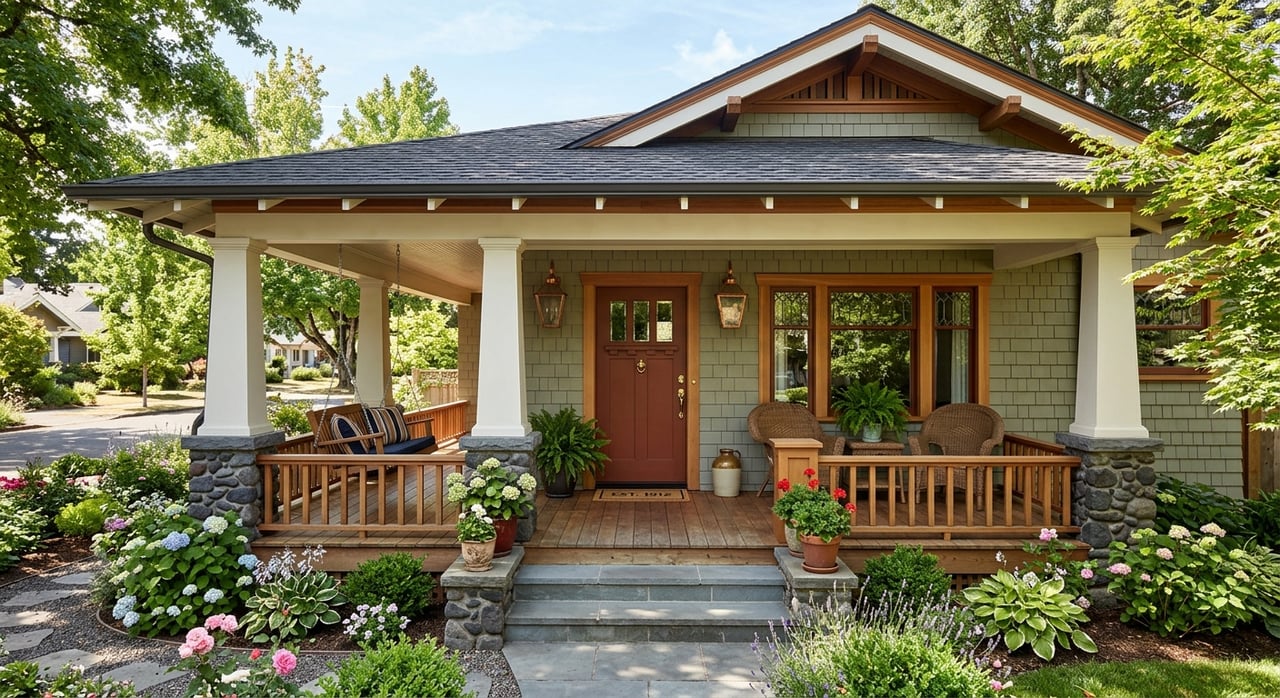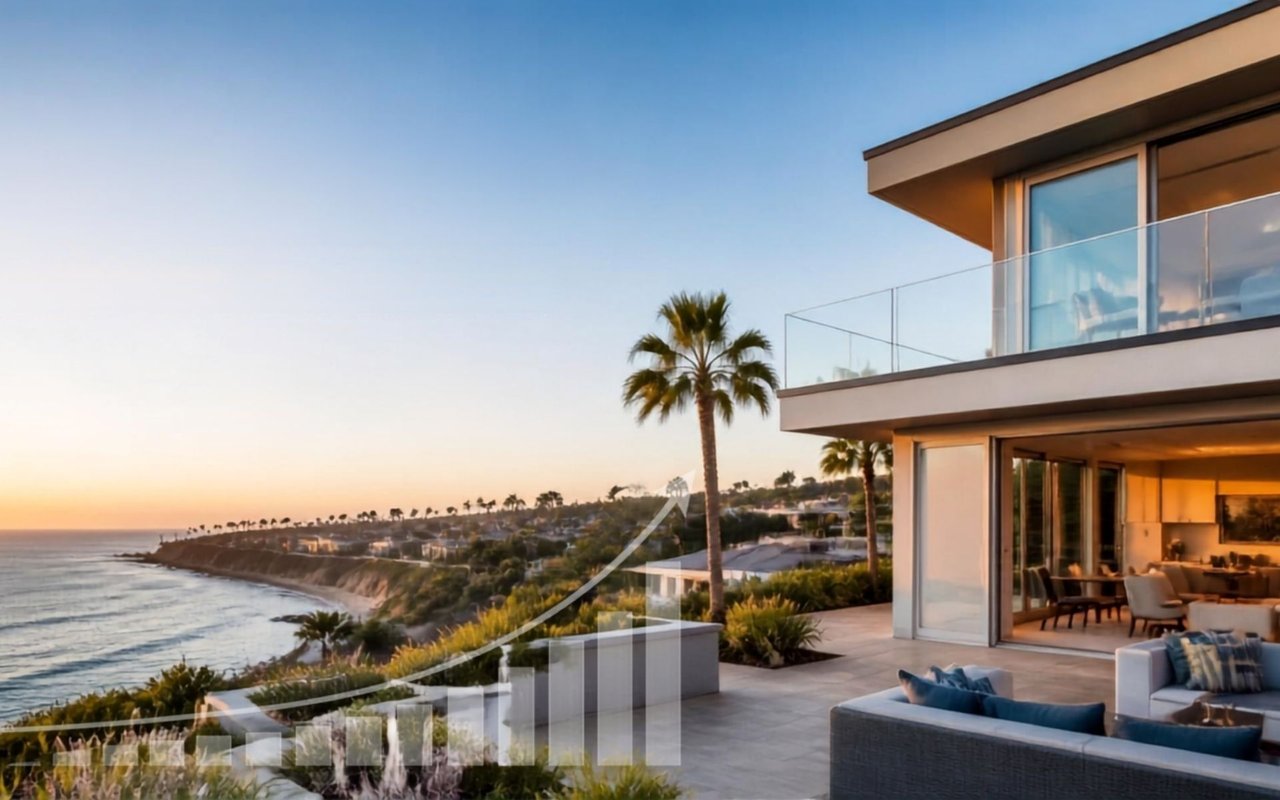
If you are thinking about selling in Coronado, the first question is not just when to list. It is what you are selling, because a condo and a beach house often move through very different paths. You want the best price, fewer surprises, and a smoother closing, and that starts with understanding how buyers, disclosures, and marketing change by property type. Let’s dive in.
Why property type matters in Coronado
Coronado is not a typical suburban market. The city is nearly built out, sits on a narrow peninsula between the Pacific Ocean and San Diego Bay, and attracts a mix of lifestyle buyers, relocation buyers, and long-term local owners. The area is also connected to the mainland by the San Diego-Coronado Bridge and Silver Strand Highway, with a strong military presence that supports nearly 20,000 military and civilian personnel.
That local context shapes how homes sell. In Coronado, your buyer may be looking for a primary residence, a long-term second home, or a relocation landing spot, not a short-term vacation rental play. The city prohibits short-term vacation rentals in residential zones, requiring stays of at least 26 consecutive days, which narrows the investor angle for many listings.
The numbers also show a split between condos and detached homes. Current market data shows 58 condos for sale at a median listing price of $2.67 million, compared with 16 detached homes in a single-story subset at a median listing price of $3.04 million. In March 2026, Coronado’s overall median sale price was $2,189,500 and median days on market was 32.
Selling a Coronado condo
Condo sales are more document-heavy
When you sell a condo or townhome in California, buyers do not just evaluate your unit. They also evaluate the larger project. Under California Civil Code 4525, sellers of a separate interest must provide key association documents, including governing documents, the most recent budget, fee information, assessment details, violation notices, defect and litigation information where applicable, rental restrictions, requested board minutes, and, effective January 1, 2026, the most recent Section 5551 inspection report.
That means condo prep should start early. Before photos, staging, or launch, you should confirm that the HOA resale packet is available and complete. You also want a clear picture of reserves, master insurance, rental rules, and any pending or approved assessments that could affect buyer confidence.
Financing can affect your buyer pool
Condo buyers often face another layer of review from their lender. Project approval matters because lenders may look closely at the association’s financial health, insurance, repairs, and litigation status. If the project has unresolved major issues, it can reduce financing options for some buyers.
For you as a seller, this can directly impact timing and leverage. A beautiful unit can still hit friction if buyers or lenders see uncertainty in the HOA documents. The more clearly you can answer those questions upfront, the easier it is for serious buyers to move forward.
Condo buyers usually focus on convenience and predictability
Many condo buyers in Coronado are drawn to low-maintenance living, location convenience, and move-in readiness. They are also often more sensitive to monthly dues, reserve strength, insurance coverage, and leasing rules. In other words, they may care just as much about the project as they do about your finishes.
That is why condo staging and presentation should emphasize what makes the unit easy to enjoy from day one. Light, storage, balcony use, layout flow, and polished interiors usually matter more than broad lot or exterior features that do not apply to the property type.
Selling a Coronado beach house
Detached homes have a different disclosure path
A detached beach house still comes with serious disclosure obligations, but the checklist is different. California law requires standard transfer disclosures for many single-family residential sales, and brokers must perform a reasonably competent visual inspection and disclose material facts. Hazard zone disclosures may also apply, including mapped flood, fire, earthquake fault, seismic, and wildland fire zones when relevant.
In Coronado, coastal location can make some of those issues more visible in buyer due diligence. Flood mapping and exterior condition may carry more weight than they would for a more inland property. Buyers may pay close attention to how the home has been maintained and whether any coastal exposure has affected systems or structures.
Permit history matters more for coastal homes
For some detached homes, the city’s local permit structure becomes a major part of the sale story. Coronado’s Community Development Department handles coastal permits, design review, and historic-resource matters. The city also requires permits for certain work in the public right-of-way and for some waterfront improvements, including dock work.
That makes paperwork especially important if your home has had additions, fences, decks, drainage changes, or waterfront upgrades. If you can organize permit history and improvement records before listing, you reduce the odds of delays once buyers start asking questions.
Detached buyers often shop for lifestyle and land use
Beach-house buyers in Coronado usually focus more on privacy, lot size, parking, outdoor living, and exterior condition. They may also care more about flexibility, such as extra bedrooms, driveway parking, or space that can adapt to changing needs. Those priorities are different from a condo buyer’s focus on HOA health and low-maintenance living.
This changes how you position the home. Detached listings should highlight curb appeal, outdoor areas, privacy, and how the property lives both inside and out. If the home has a roof deck, balcony, beach access, open-concept living, or a one-story layout, those features may resonate strongly with active Coronado buyers.
Key differences at a glance
| Category | Coronado Condo | Coronado Beach House |
|---|---|---|
| Buyer review | Unit and HOA project | Home, lot, and exterior condition |
| Main paperwork | HOA resale documents and association disclosures | Transfer disclosures, hazard disclosures, permit history |
| Financing risk | Project approval can affect loan options | More property-specific than project-specific |
| Common buyer concerns | Dues, reserves, insurance, assessments, rental rules | Privacy, parking, lot use, condition, permits |
| Best marketing angle | Low-maintenance lifestyle and move-in readiness | Outdoor living, curb appeal, and coastal lifestyle |
Pricing a condo versus a beach house
One of the biggest mistakes in Coronado is mixing comps across property types. A condo should be measured against the right project and the most relevant nearby condo inventory. A detached home should be compared against the appropriate single-family coastal segment.
That matters because inventory and pricing are not the same across the two categories. Current data shows more condo inventory than detached inventory in the single-story subset, with detached homes carrying a higher median listing price. If you blend the wrong comparables, you can easily price too high, price too low, or send the wrong signal to buyers.
A smart pricing strategy should reflect how your specific segment is competing right now. It should also account for what buyers in that segment are actually weighing, whether that is HOA certainty for a condo or permit clarity and outdoor appeal for a detached home.
How marketing should change by property type
Best marketing for a condo
Condo campaigns work best when they reduce uncertainty and showcase ease of ownership. Your marketing should make the property feel polished, simple, and ready for daily living or a long-term second-home lifestyle.
That usually means focusing on:
- Clean interior photography
- Bright, open living spaces
- Storage and functional layout
- Balcony or terrace use
- Building and location convenience
- Front-loaded HOA information for serious buyers
Best marketing for a beach house
Detached coastal homes usually need a broader presentation. Buyers want to understand the home itself, the outdoor setting, and how the property fits the Coronado lifestyle.
That often means emphasizing:
- Curb appeal and exterior condition
- Outdoor entertaining areas
- Aerial or wider context imagery
- Parking and access
- Flexible rooms and bedroom count
- Clear improvement and permit narrative where relevant
For a higher-value beach house, presentation quality can make a major difference. This is where thoughtful staging, strong visuals, and a well-planned launch can help your home stand out.
Which one is easier to sell?
There is no universal answer. A condo can be easier to maintain and easier to show, but the HOA and financing review can add layers. A beach house may attract buyers looking for a more distinctive lifestyle, but exterior condition, permits, and coastal questions can create more moving parts.
In many cases, the smoother sale is the one that is better prepared. If your condo documents are organized and the project is easy for buyers to understand, you can remove a lot of friction. If your detached home has clear records, strong presentation, and realistic pricing, you can create more confidence and stronger offers.
How to prepare before you list
No matter which property type you own, your goal is the same: make it easy for buyers to say yes. The path just looks different for a condo than for a beach house.
For condo sellers, focus on:
- Ordering and reviewing HOA documents early
- Confirming dues, reserves, and assessment status
- Verifying master insurance information
- Understanding leasing or rental restrictions
- Preparing the unit for a clean, move-in-ready presentation
For detached-home sellers, focus on:
- Gathering permit and improvement records
- Reviewing hazard and disclosure items
- Checking exterior features like decks, drainage, fences, and waterfront elements
- Improving curb appeal and outdoor presentation
- Building a pricing strategy around the correct single-family comps
In a market like Coronado, details matter. A property-specific strategy can help you avoid delays, attract the right buyers, and protect value from the start.
If you are weighing the best way to sell your Coronado condo or beach house, Joe Corbisiero can help you build a strategy around your property type, buyer pool, and timing goals.
FAQs
What is the biggest difference between selling a Coronado condo and a Coronado beach house?
- The biggest difference is buyer due diligence. Condo buyers review both the unit and the HOA project, while beach-house buyers focus more on the property itself, exterior condition, permits, and hazard-related disclosures.
What documents do you need to sell a Coronado condo?
- California condo sales typically require association documents such as governing documents, budget information, fees, assessment details, rental restrictions, certain notices, and, as of January 1, 2026, the most recent Section 5551 inspection report.
What paperwork matters most when selling a detached home in Coronado?
- For a detached Coronado home, key items often include transfer disclosures, hazard zone disclosures when applicable, and records tied to permits or exterior improvements such as decks, drainage, fences, or waterfront work.
Do short-term rental rules affect Coronado home sales?
- Yes. Coronado prohibits short-term vacation rentals in residential zones and requires stays of at least 26 consecutive days, which tends to shift the buyer pool toward owner-occupants, relocation households, and longer-term second-home buyers.
Should you price a Coronado condo and beach house the same way?
- No. A condo should be priced against the right condo inventory and project-specific comps, while a detached home should be priced against the relevant single-family coastal submarket.
What features do Coronado buyers tend to notice most?
- Current market trend data suggests buyers respond to features such as 4 bedrooms, driveway parking, one-story layouts, private roof decks, balconies, beach access, and open-concept living, though the most relevant features depend on the property type.