As of the close of escrow data through June 2026, the median sale price for a detached single-family home in North Park's 92104 zip code sat between $1.125 million and $1.15 million, with well-priced listings going under contract in about 29 to 33 days and closing at or slightly above list price. Inventory has been running at two to three months of supply, which is still firmly a seller's market by any conventional measure.
None of that tells you where a North Park deal actually stalls in 2026. It isn't the home inspection, and it usually isn't the appraisal either. It's the phone call a buyer makes to an insurance agent a week before closing, when the underwriter asks a question the buyer didn't know to prepare for: is there still knob and tube wiring in this house.
That question is worth building a strategy around, and here's why it lands harder in North Park than almost anywhere else in San Diego.
A Neighborhood Built Before the Wiring Existed to Support It
North Park's housing stock is older than most people realize when they're scrolling listing photos. The neighborhood contains three City of San Diego designated historic districts: Burlingame, Shirley Ann Place, and the North Park Dryden Historic District, which the city's Historical Resources Board approved on June 23, 2011. The Dryden district runs along 28th Street and Pershing Avenue between Upas and Landis, a six block area of 136 homes built between 1912 and 1941, more than 100 of which the city recognizes as contributing to the district's historic character. The district takes its name from David Owen Dryden, the Arts and Crafts era architect and builder whose work is concentrated there, and the city also honored builder Edward F. Bryans as a Master Builder for his role constructing 15 of the district's homes.
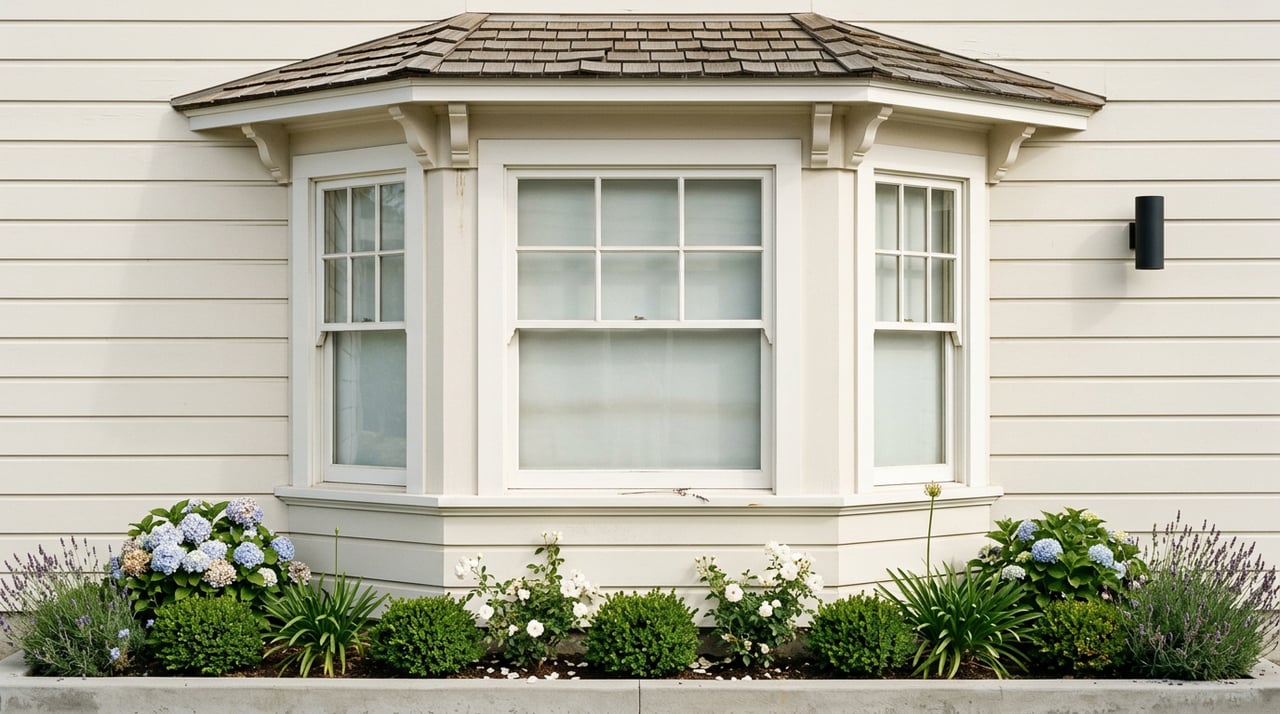
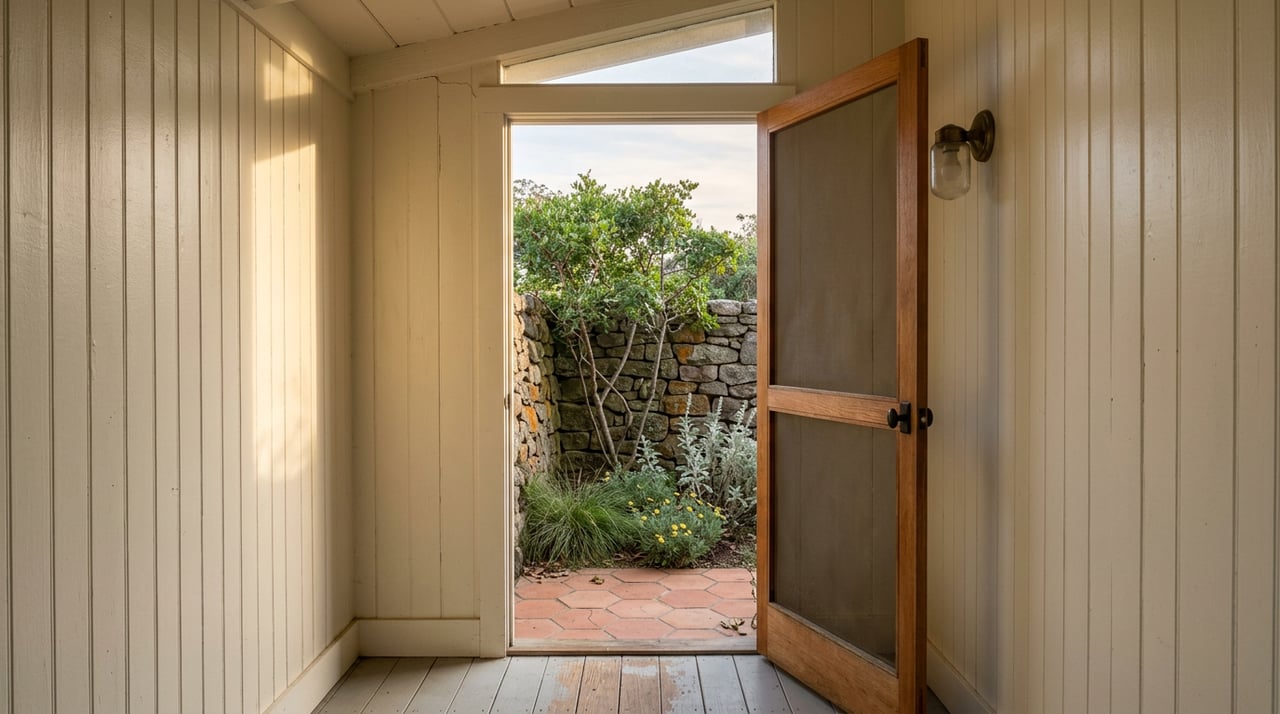
Outside the formal districts, the story repeats block after block. Craftsman bungalows from the 1910s through the early 1930s dominate the neighborhood, with some 1940s Minimal Traditional infill mixed in. Original features like built-ins, wood floors, and tile fireplaces are common and worth preserving. So are two things nobody preserves on purpose: original knob and tube wiring and galvanized supply plumbing, both routinely still present behind the walls of homes that never got a full systems update.
That combination, character worth paying for and infrastructure worth worrying about, is what makes North Park's 2026 market more complicated than its headline numbers suggest.
The Loan Program Isn't the Obstacle. Ask What Actually Sits Between the Lender and the Closing Table.
Here's the assumption a lot of sellers and even some agents carry into a North Park listing: if the buyer is financing with FHA or VA, old wiring is going to sink the deal. That assumption is mostly wrong, and it's worth being precise about why.
Fannie Mae, Freddie Mac, FHA, and VA underwriting guidelines all permit knob and tube wiring, provided the system is functional, safe, and rated for at least 60 amps. A VA appraiser is instructed to check that a home has adequate electrical service for lighting and equipment and that mechanical systems are safe to operate. That's a real standard, but it's a low bar for a system that was original to a 1920s bungalow.
The friction shows up one step later, with the party that actually has to write a check if something goes wrong: the homeowners insurance carrier.
| What a Lender Requires | What an Insurer Requires | |
|---|---|---|
| Knob and tube wiring | Permitted if safe, functional, and rated 60+ amps | Frequently declined outright by standard carriers, or requires full replacement before binding |
| Documentation | Appraiser's note, sometimes an electrician's condition statement | Licensed electrician's inspection report, often required before quoting |
| Timeline pressure | Tied to loan underwriting, flexible with conditions | Must be resolved before the buyer can close, since a bound policy is a closing requirement |
California's homeowners insurance market has hardened considerably through 2025 and into 2026, driven mostly by wildfire losses statewide, and that hardening has made carriers far less willing to take on any elevated fire risk, knob and tube included. San Diego electricians who specialize in rewiring older homes report the same pattern from the other side of the transaction: standard carriers are turning away active knob and tube almost categorically now, regardless of what the loan program itself would allow.
That's the mismatch. A buyer can clear underwriting on the loan and still be unable to bind a policy, and without a bound policy, no lender closes the loan. The deal doesn't fail because the wiring is unsafe. It fails because nobody can get it insured in time.
The loan program isn't what kills a North Park escrow over old wiring. The insurance quote is.
What It Actually Costs to Get Ahead of It
For most North Park bungalows, a full rewire runs roughly $8,000 to $15,000 depending on the size of the home, and that's for the electrical work itself. Opening and patching plaster or drywall afterward is a separate line item, and it's the part sellers are most often caught off guard by. Homes with the original galvanized supply plumbing, common in the same era of construction, typically run another $5,000 to $12,000 for a full re-pipe to copper or PEX.
Against a median sale price sitting between $1.125 million and $1.15 million as of June 2026, a $10,000 to $15,000 electrical and plumbing update is a rounding error on the transaction, but the timing matters more than the dollar figure. Done before listing, it's a line in the disclosures and a selling point in the marketing. Done during escrow, under a 30 day contingency clock, it's a scramble that can push a closing 30 to 60 days past where it should have landed, or kill the deal with a buyer who can't get insurance bound at all.
The Historic District Wrinkle
If your home sits inside the Dryden district, Burlingame, or Shirley Ann Place, there's one more layer worth building into your timeline. Parts of North Park fall under design review for exterior work, which means visible changes to a home's exterior, including things like a relocated electrical panel or a new service mast, can require sign off before a contractor breaks ground. Interior rewiring itself typically doesn't trigger that review, but if your project touches anything visible from the street, plan for that extra step rather than discovering it mid escrow.
What to Do Before You List
- Get a licensed electrician's inspection report now, not after you're in contract. Insurers and lenders both lean on this document, and having it in hand before you list means you're negotiating from documentation instead of reacting to a buyer's underwriter.
- Ask the electrician to confirm amperage and condition specifically, since that 60 amp threshold is the exact language both lenders and insurers use to evaluate the system.
- If you've already upgraded any wiring or plumbing, pull the permit and final inspection records. That paperwork is what convinces a new carrier to quote you at standard rates instead of treating the whole house as an unknown.
- Disclose it. California's Transfer Disclosure Statement requires sellers to note known material defects, and knob and tube wiring qualifies because it affects safety, insurability, and value. Getting ahead of the disclosure protects you and keeps the transaction moving instead of stalling when a buyer's inspector or insurer finds it independently.
- If replacement is on the table, time it around your listing date rather than around a buyer's contingency period. A completed rewire before you list is a marketing asset. The same rewire completed under contract deadline pressure is a cost overrun.
Quick Answers for North Park Sellers
Does every North Park Craftsman bungalow still have knob and tube wiring? No. Many have been partially or fully rewired over the decades, and the neighborhood's active renovation pace means plenty of owners have already addressed it. The point is that enough original systems remain that a buyer's insurer will ask the question on nearly every pre-1941 home in the neighborhood, so it's worth knowing your answer before they do.
Will my buyer's FHA or VA loan get denied because of old wiring? Not on the loan side alone. FHA, VA, Fannie Mae, and Freddie Mac guidelines all permit knob and tube wiring if it's safe, functional, and rated for at least 60 amps. The more likely obstacle is a standard insurance carrier declining to write a policy, which then prevents the loan from closing regardless of what the lender itself required.
Does living in the Dryden district or Burlingame mean I can't touch the wiring? No. Interior electrical work generally isn't subject to the design review that governs exterior changes in these districts. The review matters most if your project involves anything visible from the street, like a relocated panel or new service equipment.
Selling a North Park bungalow in 2026 means selling the character that makes the neighborhood worth a premium in the first place, the Craftsman details, the walkability, the proximity to Balboa Park and Morley Field. It also means getting ahead of the one piece of due diligence that has nothing to do with your home's charm and everything to do with whether a buyer's insurer will pick up the phone. Sellers who solve the wiring question before they list are the ones who keep their 29 day closing timeline instead of watching it slip.
If you're weighing a sale in North Park and want a straight read on where your specific property stands on pricing, condition, and insurability, the team at The Dream Homes Team can walk through it with you. Request a Free Home Valuation and get the full picture before a buyer's underwriter finds it for you.